Agricultural Ground Cover Manufacturer China: What Buyers Should Know Before Ordering
If you are searching for an agricultural ground cover manufacturer in China, the first question should not only be “What is the lowest price?” A better question is: can the factory make the same fabric, weight, width, UV level and packing quality again and again?
Ground cover looks simple from the outside. It is a woven plastic fabric placed on soil to help suppress weeds, keep rows cleaner and support crop management. But for importers, distributors and agricultural suppliers, small specification differences can change the real cost of the product.
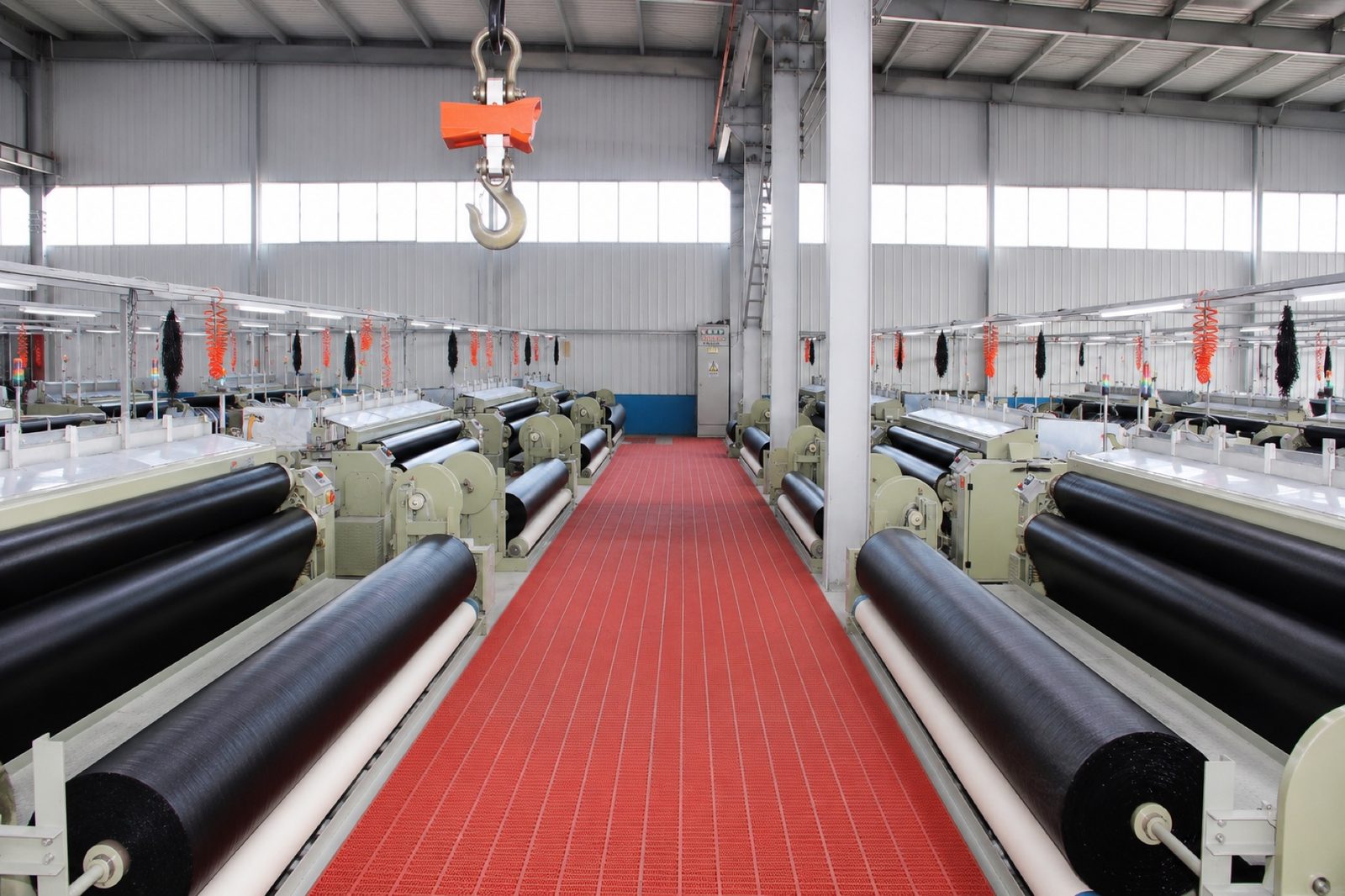
What is agricultural ground cover?
Agricultural ground cover is a woven fabric used in outdoor growing areas such as nurseries, orchards, vineyards, vegetable farms, strawberry fields and greenhouse aisles. It is also called weed barrier, landscape fabric, weed mat, woven ground cover or anti grass cloth in different markets.
The main purpose is practical: reduce weed pressure, keep plants and fruit cleaner, improve walking and working conditions, and reduce repeated manual weeding. In some applications, reflective white ground cover can also help increase light around crops.
Common materials: PP and PE woven ground cover
Most agricultural ground cover is made from woven plastic tape. The two common material families are PP and PE.
| Material | Typical use | Buyer note |
|---|---|---|
| PP woven ground cover | Nurseries, landscaping, garden retail, greenhouse aisles and general weed control. | Widely available and often cost-effective for volume orders. |
| PE woven ground cover | Crop rows, orchards, strawberry fields and buyers with established PE specifications. | Often chosen for specific handling feel, flexibility or market requirements. |
| Reflective PE ground cover | Strawberry, orchard, pepper, melon and greenhouse crops needing more reflected light. | Color, reflectivity, UV and surface cleanliness should be checked by sample. |
The material name alone does not decide quality. A strong product depends on resin, tape drawing, weave density, UV additives, actual weight and factory control.
How to choose the right GSM
GSM means grams per square meter. It is one of the easiest numbers to compare, but it should not be the only number you check. A 100 gsm fabric from one factory may feel different from another if tape thickness, weave density and coating are different.
- Lower GSM: usually selected for short-term use, lighter weed pressure or price-sensitive programs.
- Medium GSM: common for distributors who need a balance between cost, handling and durability.
- Higher GSM: suitable for longer use, more foot traffic, stronger weed pressure or repeated installation.
For PE woven ground cover, many buyers compare 90 gsm, 100 gsm, 110 gsm and 120 gsm samples before confirming the final order. This is a good approach because the buyer can feel the fabric, test cutting and compare actual roll weight.
UV resistance matters more than many buyers expect
Ground cover is used under sunlight, so UV stabilization is important. Without the right UV package, plastic tape can become weak and brittle faster than expected. However, “UV treated” is not enough by itself. Buyers should ask what service-life target, climate, testing basis or guarantee condition is being discussed.
A factory should be honest here. Outdoor life is affected by sunlight intensity, temperature, altitude, chemicals, installation tension, stones under the fabric and vehicle traffic. No manufacturer should promise the same lifespan in every country without understanding the application.
Water permeability and weed control
Many woven ground covers allow water to pass through the gaps in the weave. This helps rain or irrigation reach the soil while reducing direct weed growth. But permeability is not only about material. It is affected by tape width, weave density, coating and finishing.
Before ordering, buyers should decide whether the product needs high water flow, stronger weed blocking, printed guide lines, pre-cut holes, eyelets or special edges. A sample should be tested in the real application when possible.
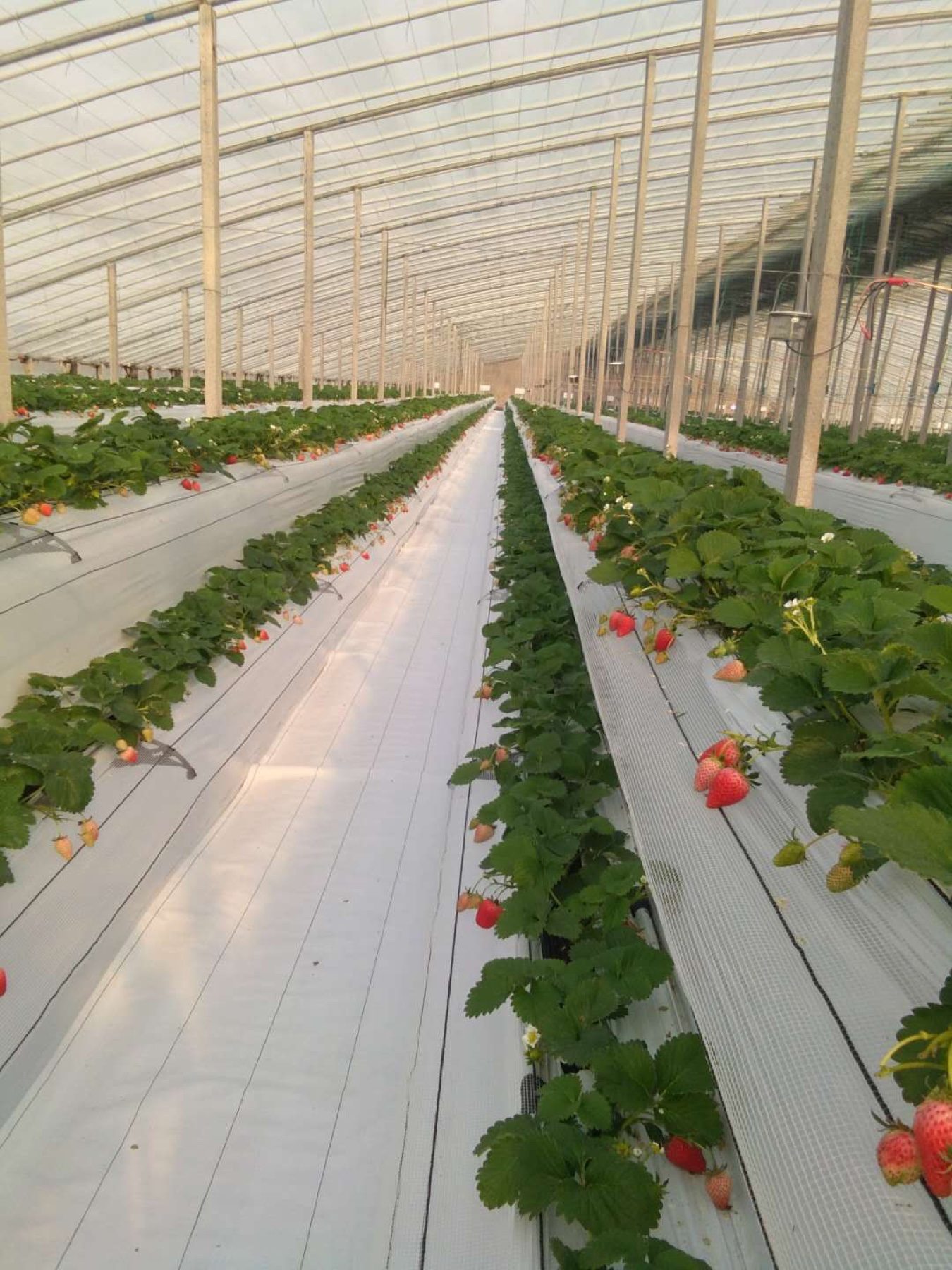
What a reliable China ground cover manufacturer should control
When choosing an agricultural ground cover manufacturer in China, look beyond the product photo. The important part is whether the supplier can keep quality stable after the first sample is approved.
- Raw material and formulation: virgin or recycled content, color masterbatch and UV additives should match the agreed product level.
- Actual GSM: the factory should control fabric weight and avoid underweight rolls.
- Width and roll length: importers need stable dimensions for retail packaging, pallets and field installation.
- Tape and weave quality: tape strength, weave density and fabric flatness affect tearing and handling.
- Line marking: green, blue or custom guide lines should be straight and consistent if required.
- Packing: roll wrapping, labels, cartons, woven bags and pallet plans should suit sea shipment and warehouse handling.
- Inspection: pre-shipment checks should include roll weight, width, length, appearance, packing and sample comparison.
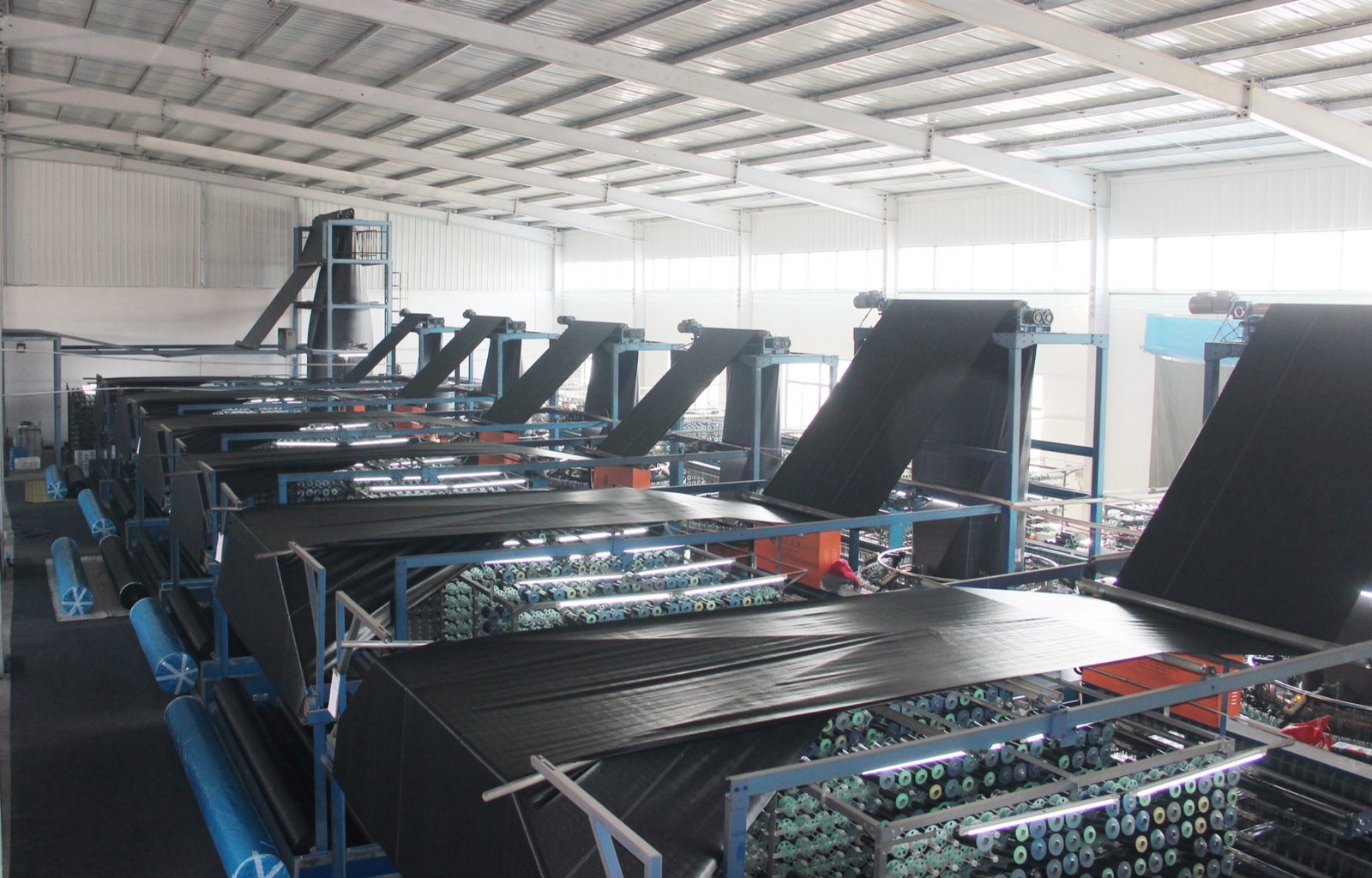
Factory questions to ask before placing an order
A clear inquiry helps both sides. Instead of asking only for “ground cover price,” prepare a simple specification sheet.
- Material: PP, PE or reflective PE?
- Color: black, white, green, silver/white or custom?
- Weight: target GSM and tolerance?
- Width and roll length: final roll size or folded size?
- UV: expected exposure period and destination market?
- Application: nursery, orchard, strawberry, greenhouse, landscaping or retail?
- Water permeability: normal woven surface or special requirement?
- Lines: with or without guide lines; line spacing?
- Packing: bulk roll, individual label, carton, woven bag, pallet?
- Annual quantity and first trial order quantity?
Why buyers source ground cover from Weifang, China
Weifang and the surrounding Shandong agricultural region have a strong greenhouse and agricultural supply chain. For buyers, this means easier access to plastic weaving, coating, film production, cutting, packing and export logistics. A local factory can also understand common agricultural use cases because the area itself has intensive farming and greenhouse production.
For overseas buyers, the benefit is not just lower production cost. It is the ability to discuss sample adjustments, OEM packing and repeat production with a manufacturer that already works around agricultural plastic products every day.
About HXT Plastics
Hengxiangtai Plastics is a China manufacturer of agricultural woven ground cover, PE weed barrier, PP ground cover, reflective ground cover, greenhouse film and related agricultural plastic products. We work with importers, distributors, growers and garden-supply companies that need practical products with clear specifications.
If you are comparing suppliers, we suggest starting with samples. Put the fabrics side by side, check actual GSM, feel the tape strength, review roll packing and confirm the specification before making a larger order.
Need ground cover samples from a China factory?
Send your target GSM, width, roll length, color, UV requirement, packing method and destination market. We can help you compare suitable PP, PE and reflective ground cover options.
Ask for samples or quotationFAQ
Is PE ground cover better than PP ground cover?
Not always. PE and PP can both work well when the construction and UV package are correct. PP is often widely used and cost-effective. PE is often selected when the buyer has a specific market requirement, handling preference or existing specification.
Can ground cover be reused?
Many woven ground covers can be reused if they are installed carefully, cleaned, dried and stored away from unnecessary sunlight and damage. Reuse also depends on GSM, UV level, crop type and field conditions.
What information does a manufacturer need for quotation?
A manufacturer needs at least material, GSM, width, roll length, color, UV requirement, quantity and packing method. Photos of the application or current sample also help avoid misunderstanding.