What Are the Benefits of White Reflective PE Ground Cover?
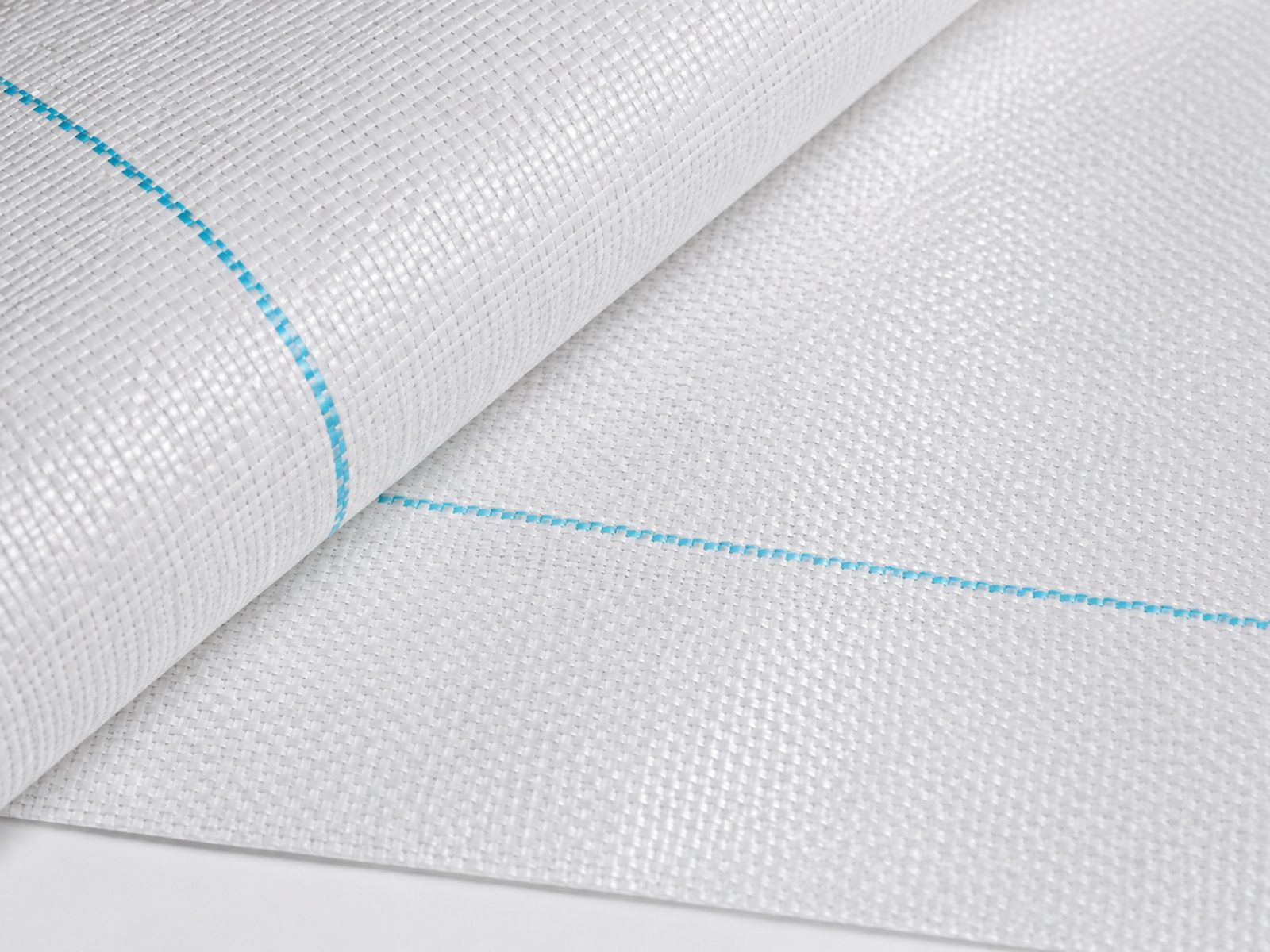
White reflective PE ground cover is a durable agricultural floor covering used in greenhouses, polytunnels, nurseries and high-value fruit production. It is also called white horticultural ground cloth, reflective PE fabric, white weed mat or black-and-white ground cover.
Unlike an ordinary black weed barrier, its white upper surface returns more light into the crop canopy. An opaque or black lower side blocks sunlight from reaching weeds. This combination makes it useful where growers want better light distribution, cleaner rows and easier weed management from one material.
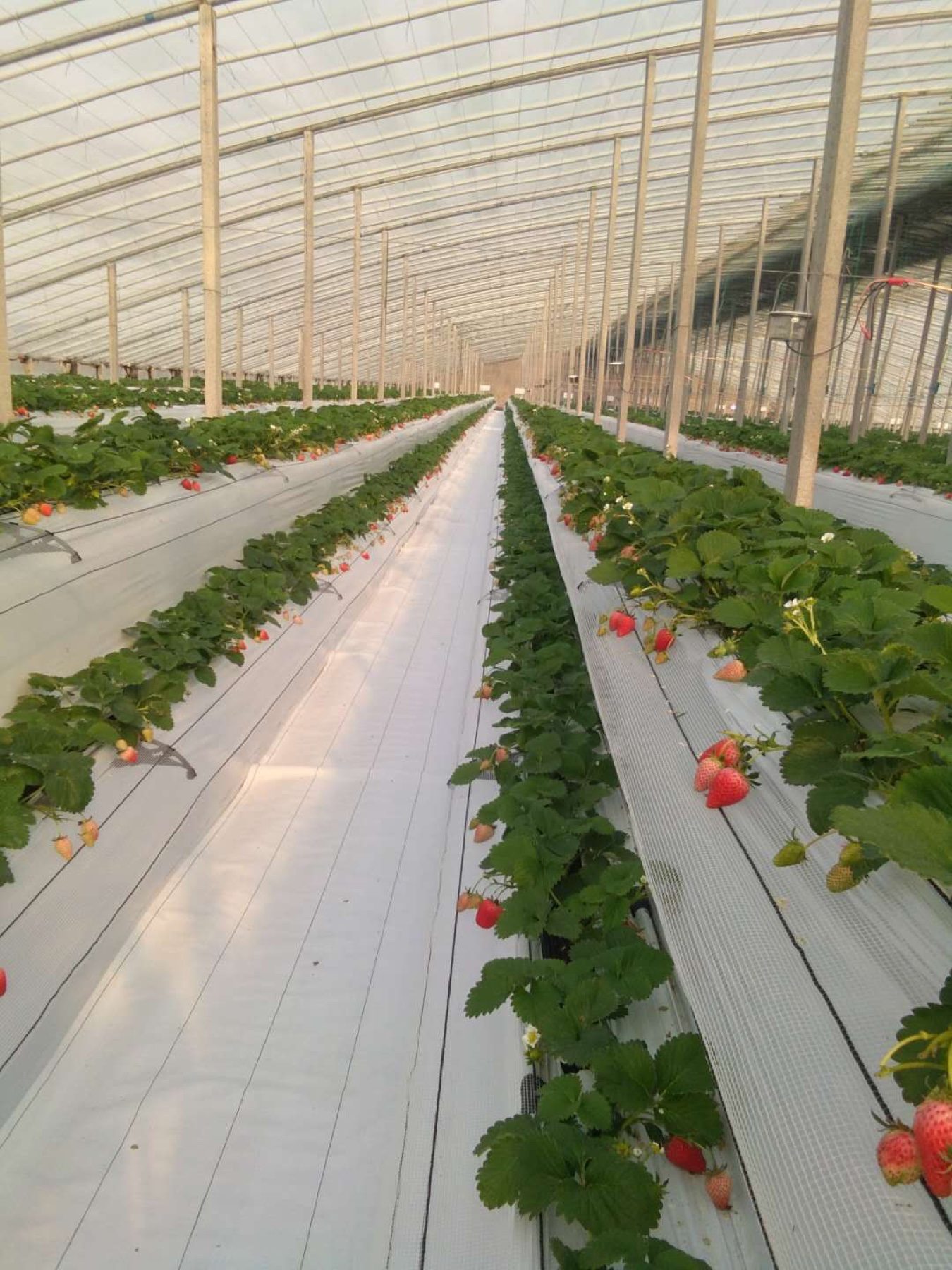
1. More useful light inside the crop canopy
The white surface reflects part of the incoming sunlight upward. This does not create additional sunlight, but it can redistribute available light toward shaded leaves and lower fruiting areas. The effect is most relevant in dense canopies, under greenhouse structures, beneath hail netting or in narrow rows where lower leaves and fruit receive less direct light.
Research on reflective orchard materials has reported improved light use and fruit coloration in suitable systems. Results depend on crop, season, canopy design, cleanliness of the cover and local light conditions, so buyers should treat reflective ground cover as a crop-management tool rather than a guaranteed yield percentage.
2. Weed suppression without an untidy floor
A sufficiently opaque woven PE cover prevents most light from reaching the soil surface, limiting weed germination and growth. The white top also gives greenhouses, nurseries and pick-your-own farms a brighter, cleaner appearance than bare soil or mixed weeds.
- Less routine hand weeding between crop rows.
- Reduced dependence on herbicides in covered areas.
- Cleaner walking and working surfaces around plants.
- Easier inspection of irrigation lines, pots and dropped fruit.
3. A cleaner, easier-to-manage growing area
Woven reflective fabric helps separate crops and workers from muddy soil. Water can drain through a permeable woven structure, while the surface is easier to sweep, rinse and maintain. This is particularly useful in berry tunnels, nurseries, container production and greenhouse aisles where workers enter frequently.
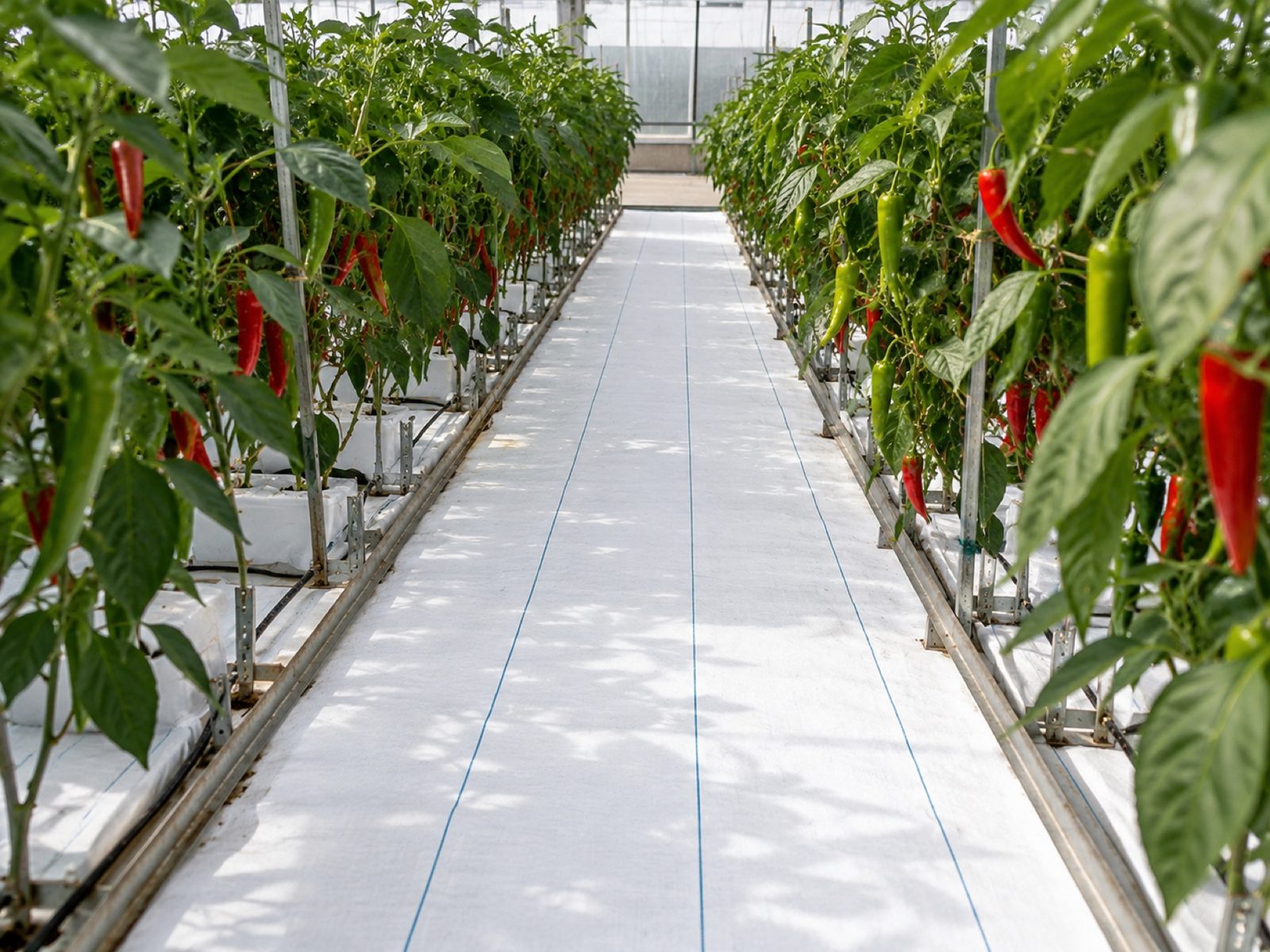
4. Helps manage summer ground heat
A white surface generally absorbs less solar heat than black ground cover. In hot seasons this can help limit excessive surface heating around the crop. The actual root-zone response depends on climate, installation, soil moisture and whether the material covers the planting bed or only the aisle. Growers in cool climates should confirm that a cooler surface is desirable for their crop stage.
5. Durable, reusable and suitable for OEM programs
Woven PE construction is designed for repeated agricultural use and better tear resistance than thin disposable mulch film. UV stabilization, fabric weight, edge finishing and correct installation all affect service life. Rolls can be supplied in different widths and lengths for greenhouse floors, planting rows, orchard strips or retail programs.
Which fruits and plants commonly use it?
| Crop or system | Why growers use reflective ground cover | Practical note |
|---|---|---|
| Strawberries | Returns light around low-growing fruit, suppresses weeds and keeps picking rows cleaner. | A strong application for tunnels, greenhouses and table-top systems. Keep drainage holes and planting openings correctly positioned. |
| Peppers and tomatoes | Improves light distribution around dense plants and creates a cleaner protected-cultivation floor. | Reflective mulches have also been studied in pest-management programs, but fabric alone should not be presented as complete pest control. |
| Cherries, apples and grapes | Reflects light toward shaded fruit and can support more even coloration before harvest. | Often installed as strips in the row or temporarily during the ripening period. |
| Blueberries and raspberries | Can keep rows clean and improve reflected light in tunnels or container systems. | Blueberries have shallow roots. Confirm irrigation, drainage and root-zone temperature before full bed coverage; aisle use may be the safer starting point. |
| Flowers and nursery plants | Brightens the growing area, suppresses weeds and keeps containers and aisles presentable. | Useful for commercial nurseries, garden centers and propagation areas. |
White woven ground cover or white mulch film?
These names are sometimes mixed together, but buyers should distinguish the products. Thin white or black-and-white mulch film is usually placed directly over planting beds for one or a few seasons. Woven reflective PE ground cover is heavier, more tear-resistant and normally selected for aisles, greenhouse floors, nurseries, orchard strips and reusable installations.
| Item | Woven reflective PE ground cover | Thin mulch film |
|---|---|---|
| Construction | Woven PE fabric, often with a reflective white face | Blown plastic film |
| Typical selection unit | GSM, width, roll length and UV life | Micron thickness, width and season life |
| Best use | Greenhouse floors, aisles, nursery beds and reusable orchard strips | Direct bed mulch and short-term crop cycles |
| Handling | Stronger and easier to remove and reuse | Lighter, but more vulnerable to puncture and tearing |
What should a buyer specify?
- Construction: woven PE reflective ground cover, single white or black-and-white design.
- Fabric weight: select GSM according to expected traffic, reuse and service life.
- Width and length: match greenhouse bays, aisles, beds or orchard rows to reduce seams and waste.
- UV stabilization: specify destination climate and expected outdoor life.
- Water permeability: confirm drainage performance for the installation surface.
- Edge and marking options: heat-cut or hemmed edges, planting lines, logos and OEM roll packing.
Buyer conclusion
White reflective PE ground cover is most valuable where several needs overlap: more light around the lower canopy, reliable weed suppression, a clean working surface and a reusable agricultural fabric. Strawberries, peppers, tomatoes, orchard fruit, grapes, flowers and nursery crops are logical target markets. For blueberries, use a site-specific approach and protect the shallow root zone from unsuitable heat or moisture conditions.
Need a reflective ground cover specification?
Tell us your crop, greenhouse or row width, installation surface, roll size and target service life. We can recommend a practical woven PE specification and OEM packing format.
View reflective ground cover